
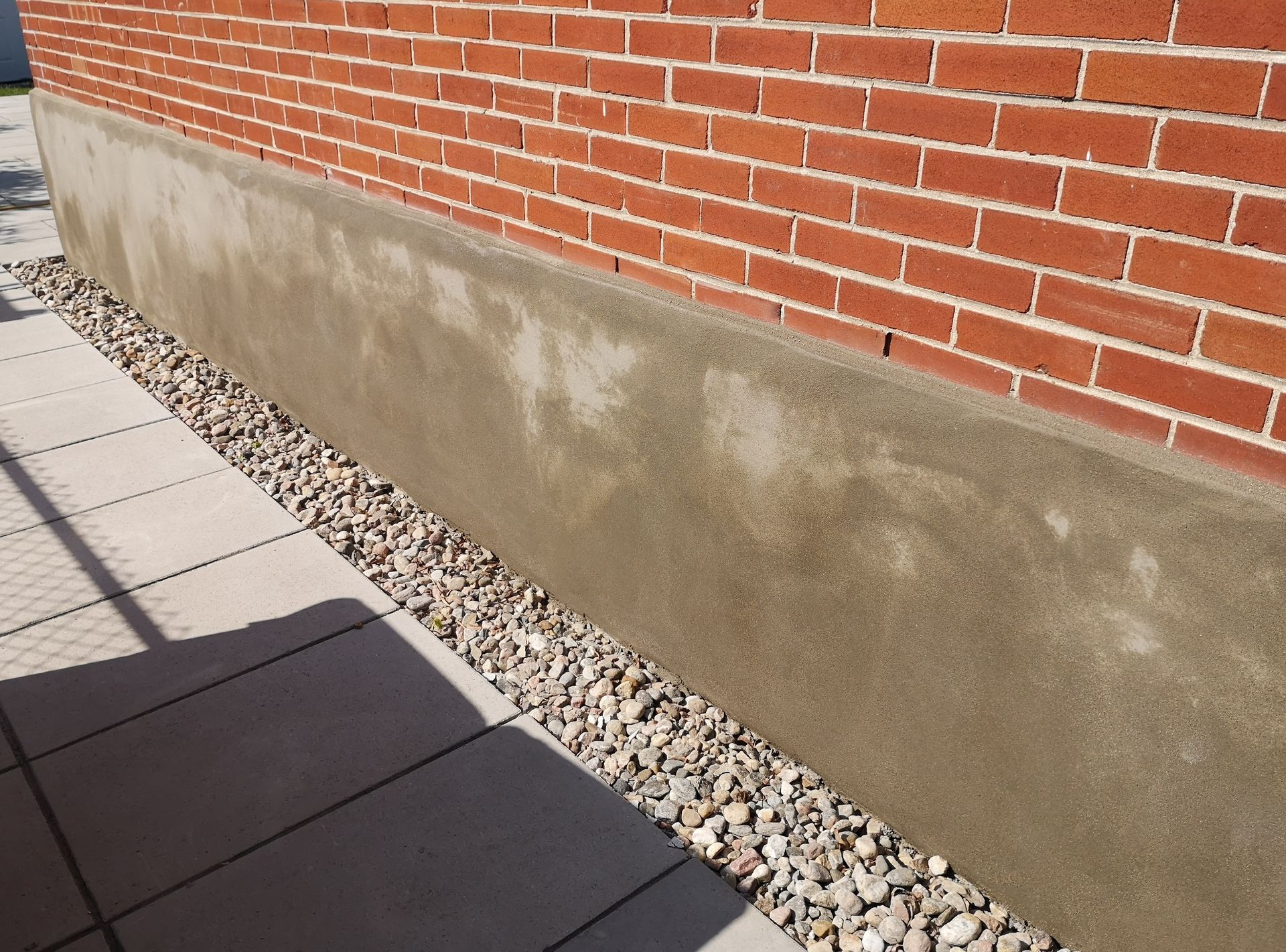
Masonry Work That Addresses Structural Concerns Directly
Foundation and masonry repairs in Services for visible cracking, shifting, or deteriorating structural surfaces
Small Tyme Contractors handles foundation and masonry repair work for property owners dealing with cracking block, spalling mortar joints, bowed walls, and settling that shows up in the structure itself. These are problems that become more visible over time—a crack that was hairline last year is now wide enough to fit a finger, or a section of block wall has begun to separate from an adjacent course. This kind of work requires someone who understands how masonry behaves under load, not just how to patch what's visible on the surface.
The process starts with a thorough look at what's actually happening structurally. Surface cracks are evaluated to determine whether they reflect a cosmetic issue or active movement—step cracking along mortar joints, for example, often points to differential settling rather than surface wear. From there, Small Tyme Contractors sequences the repair work based on what the structure needs: tuckpointing deteriorated joints, replacing failed block or brick units, addressing drainage at the footing level where it's contributing to the problem, or reinforcing sections that have shifted. Each decision is driven by what the masonry is doing, not a one-size approach.
Arrange an on-site evaluation to review the condition of your foundation or masonry structure and identify what repair scope is actually needed.
How Masonry Repairs Address the Underlying Condition
Masonry repair isn't a single task—it's a sequence of decisions made based on what the material is doing and why. Tuckpointing, for instance, involves removing deteriorated mortar to a specific depth before new material is packed in; if the depth is insufficient, the new mortar won't bond correctly and will fail again within a few seasons. Block replacement requires matching the existing unit's dimensions and density so the repaired section carries load the same way the surrounding wall does.
Once the repair work is complete, what you'll notice is a wall that no longer shows active separation, mortar joints that are flush and consistent rather than recessed or crumbling, and in cases where water intrusion was occurring through the masonry, that pathway is closed. Efflorescence—the white mineral staining that appears when water moves through block—stops appearing at the repaired section when the underlying moisture path has been addressed.
It's worth noting that foundation and masonry repair work often surfaces related conditions during the project—deteriorated sill plates sitting on failing block, for example, or drainage that's been directing water toward the footing for years. A thorough repair scope accounts for these adjacent issues rather than treating the masonry in isolation.
Answers About How the Work Is Done
Foundation and masonry repairs raise practical questions about how the work proceeds and what to expect once it's finished. The questions below address the process itself.
What does the evaluation process involve before repair work begins?
The evaluation looks at crack patterns, joint condition, and whether any movement is still active—step cracking along mortar joints is read differently than horizontal cracking in a block wall, because each pattern points to a different cause and requires a different repair approach.
How is tuckpointing done correctly and what separates it from a surface patch?
Proper tuckpointing requires grinding or raking out deteriorated mortar to a minimum depth—typically around three-quarters of an inch—before new mortar is packed in and tooled to match the joint profile; a surface application without proper depth prep will debond and fail under normal thermal movement.
When does a crack in a masonry wall require structural repair versus cosmetic attention?
Cracks that follow mortar joints in a stair-step pattern, show displacement between the two sides, or are widening over time indicate active movement and need structural attention; hairline cracks in mortar that show no displacement and haven't changed are typically addressed through standard tuckpointing.
How does the repair sequence get determined for a wall with multiple issues?
The sequence generally works from the structural to the cosmetic—any active settling or drainage issue driving the damage is addressed first, followed by block or brick replacement, then mortar joint repair, so that cosmetic work isn't applied over a condition that's still moving.
What should you look for in completed masonry repair work to confirm it was done correctly?
Finished tuckpointing should show mortar that sits flush with or slightly recessed from the face of the brick or block, consistent tooling across the joint, and no crumbling or separation at the edges where new mortar meets old—any gaps or hollow-sounding areas when tapped indicate inadequate bonding.
Small Tyme Contractors approaches each foundation and masonry project based on what the structure is actually showing, not a templated repair package. If you're seeing cracking, separation, or deterioration in your masonry, request a site visit to get a clear picture of what the repair work involves and what it will take to stabilize the structure correctly.